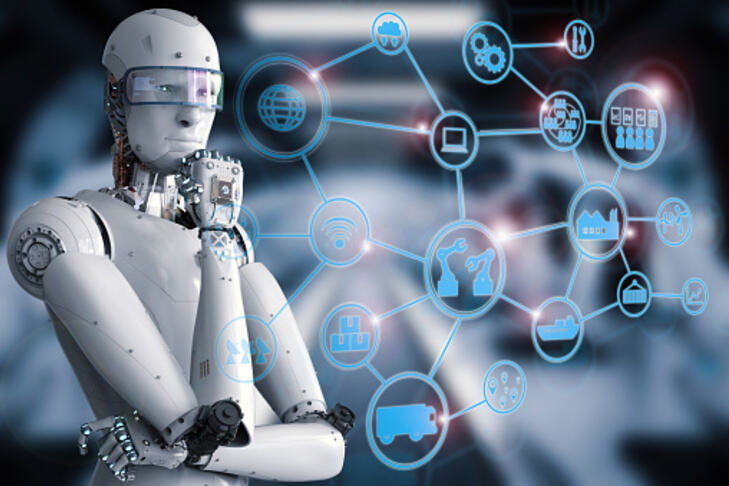
Robotic technology has emerged as a transformative force in our modern world, reshaping industries, enhancing productivity, and challenging the boundaries of what is possible. In this essay, we delve into the evolution of robotics without relying on numerical enumeration, exploring the profound impact of this technology on various facets of our lives.
The Emergence of Robotics: The inception of robotics traces its roots to the early 20th century when inventors and engineers envisioned machines that could perform tasks autonomously. Over the decades, the field has evolved from rudimentary automatons to highly sophisticated machines capable of complex operations.
Industrial Automation: One of the most significant areas impacted by robotics is industrial automation. Robots have revolutionized manufacturing processes, enhancing precision, speed, and efficiency. From automotive assembly lines to semiconductor fabrication, robots have become indispensable, streamlining production and improving product quality.
Healthcare Advancements: Robotics is making significant strides in the healthcare sector. Surgical robots, for instance, enable minimally invasive procedures with enhanced precision, reducing patient recovery times and risks. Robotic exoskeletons aid individuals with mobility impairments, restoring independence and improving their quality of life.
Agriculture and Food Production: In agriculture, robots are transforming farming practices. Autonomous tractors, drones, and robotic harvesters increase crop yields and reduce the need for manual labor. In food production, robots are involved in tasks like food sorting, packaging, and even cooking.
Logistics and Warehousing: E-commerce giants rely on robots for efficient order fulfillment and warehouse management. Autonomous robots navigate warehouses, retrieve items, and prepare them for shipping. This automation accelerates the delivery of goods to consumers.
Space Exploration: Robots have played pivotal roles in space exploration, conducting missions on planets, moons, and asteroids where human presence is not feasible. Robotic rovers like Curiosity have provided invaluable data about the Martian surface, contributing to our understanding of the universe.
Education and Research: Robots are becoming valuable tools in education and research. They facilitate hands-on learning in STEM fields, allowing students to experiment with programming and engineering concepts. In research, robots are used for data collection, exploration, and experimentation in environments hostile to humans.
Domestic Robotics: The concept of domestic robots that assist with daily chores and tasks is gaining traction. Robotic vacuum cleaners, lawnmowers, and personal assistants like smart speakers have become commonplace in households. These robots simplify everyday life and free up time for more meaningful activities.
Ethical and Social Considerations: As robotics technology advances, ethical questions arise. Concerns about job displacement, data privacy, and autonomous decision-making by robots must be addressed. Striking a balance between innovation and responsible use of robotics is crucial.
Environmental Impact: Robotics can contribute to sustainability efforts by enabling precision agriculture, reducing energy consumption in manufacturing, and automating processes for environmental monitoring and conservation.
Human-Robot Collaboration: The future of robotics lies in harmonious collaboration between humans and machines. Cobots (collaborative robots) work alongside humans in manufacturing, and researchers are exploring ways for robots to assist and support humans in various settings.
In conclusion, the evolution of robotics is a testament to human ingenuity and innovation. This transformative technology continues to shape industries and society at large. While robots offer tremendous benefits, ethical, social, and environmental considerations underscore the need for responsible development and deployment. As we navigate this robotic revolution, our ability to harness its potential while addressing its challenges will determine the extent to which it positively impacts our world. Robotics, in all its complexity, promises a future where humans and machines collaborate to create a better, more efficient, and more connected world.
 Eagle Tekno